
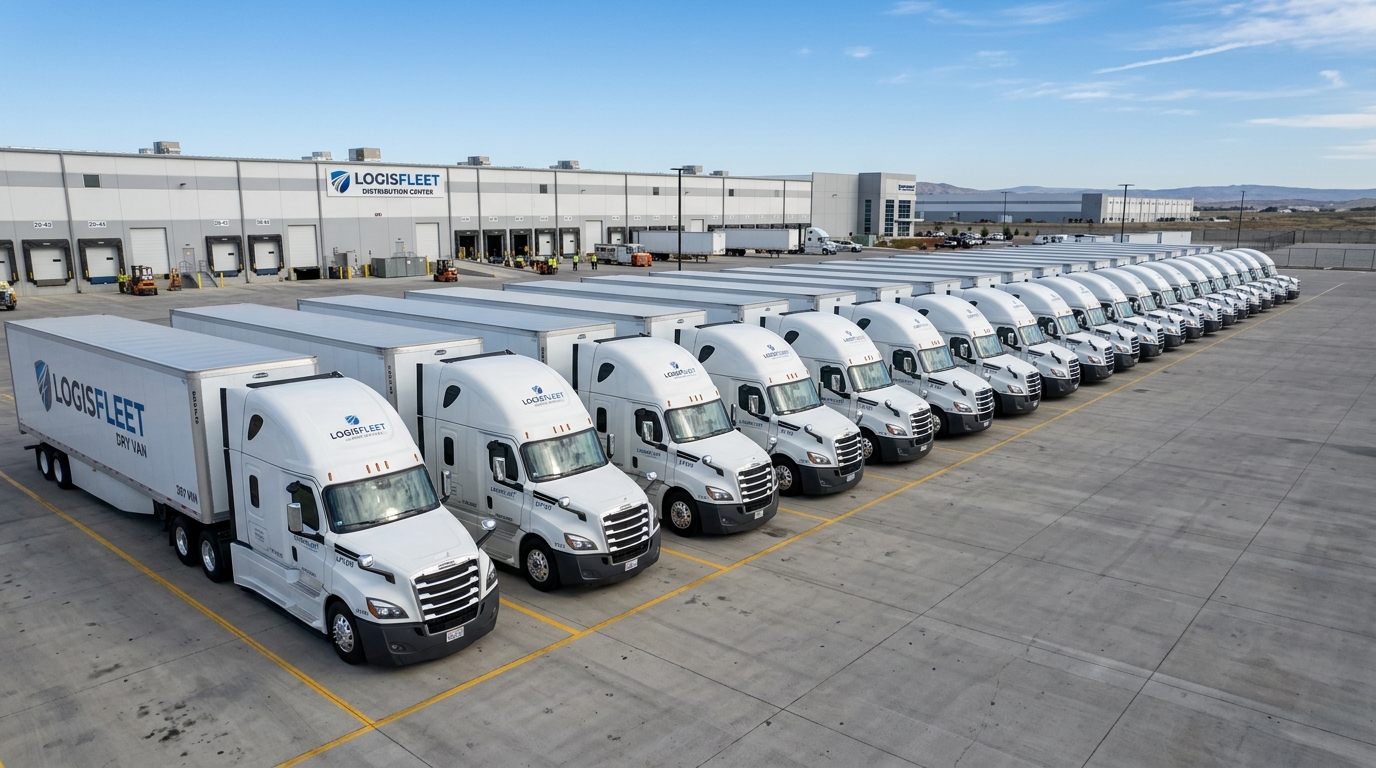
Packaged goods to Hickory, NC
Transportation serviceHickory, NCFood & beverage supplier
Managed a shipment of packaged goods from Addison, IL to Hickory, NC in a dry van, delivered on schedule through our managed carrier network.

Asset-light means no bias in which carrier shows up.
Gateway is asset-light, so we have no stake in which truck covers your load. We pick the right carrier from a vetted collective every time: the right equipment, the right region, the right driver experience for your customer's dock.
In an era of record freight fraud, every carrier is vetted through Highway's carrier-identity process with continuous real-time monitoring, backed by a $100,000 TIA bond well beyond the FMCSA minimum.




The truck didn't show up when it was supposed to and now your delivery is late. You're calling the carrier but no one picks up or they give you a different story each time. Your customer is upset and you don't have answers.
Your regular loads keep getting canceled at the last minute. Carriers are taking higher-paying freight instead. Your customers are getting mad about delays.
This happens when you're only working spot market rates. Ask your broker about contracted rates or dedicated capacity agreements. Paying slightly more for guaranteed pickup beats the cost of angry customers and rushed replacements.
You have a dry van shipment that needs to be delivered tomorrow. Your regular carrier can't make it happen. Your customer is threatening to cancel the order if it's late.
Call a freight broker who specializes in expedited dry van service. They have carrier networks that can handle rush deliveries. Expect to pay 20-30% more for next-day service, but it's cheaper than losing the customer.
You're not sure whether to ship your freight as less-than-truckload or full truckload. The volume is in between and you don't know which option saves money.
FTL makes sense when your shipment fills 75% or more of a trailer, or when speed matters more than cost. LTL works for smaller shipments but takes longer with multiple stops. Calculate cost per pound, not just total price.
You need to ship dry goods regularly. You got quotes from different brokers and the prices are all over the map. You can't figure out what's reasonable to pay.
Dry van rates change based on fuel costs, distance, and demand. Ask for a breakdown that shows base rate, fuel surcharge, and any accessorial fees. Rates typically run $1.50-$3.00 per mile depending on the lane and season.
Your dry van shipments keep arriving damaged. Boxes are crushed or products are missing. You're filing insurance claims every month and your customers are getting angry.
Poor loading and securement cause most dry van damage. Work with a broker who vets their carriers for proper loading procedures. Require photos of how freight is loaded and secured before the truck leaves.
Peak season is coming. Last year you couldn't find trucks when you needed them. You don't want to book too early and overpay, but you can't afford to be stuck again.
Book 2-3 weeks ahead during peak season (holiday shipping, harvest time, back-to-school). Spot rates spike when capacity gets tight. A good broker can help you balance contract rates with spot market flexibility.
You need to ship temperature-sensitive products. The reefer quotes are way higher than dry van rates. You're trying to figure out if the extra cost is worth it.
Reefer trucks typically cost 20-40% more than dry van because of fuel for refrigeration units and specialized equipment. Compare that premium against the cost of spoiled inventory. For high-value perishables, the insurance is worth it.
You shipped dry goods last week and have no idea where the truck is. Your customer keeps calling asking for updates. The carrier won't answer their phone.
Most modern freight brokers offer real-time GPS tracking for dry van shipments. Look for brokers who provide tracking links and automatic delivery updates. Avoid carriers who only give you a phone number to call for updates.
You need to ship dry goods across the country. Your customer wants to know when it will arrive. You don't know how long dry van transport actually takes.
Dry van shipping typically covers 500-600 miles per day with a single driver. Cross-country shipments take 4-5 days. Team drivers can cut that in half but cost more. Weather and truck availability can add 1-2 days.
The specific situations we handle in each area. Tap an area to see the full answers.