

The $50,000 Mistake Cincinnati Manufacturers Make When Choosing Logistics Partners
Here's the truth nobody wants to tell you: most Cincinnati manufacturers are bleeding money because they're choosing logistics partners based on price alone, not value. That rock-bottom freight broker quote looks tempting until your production line shuts down and you realize cheap doesn't mean reliable.
Six months pass. Your production line stops. Critical components sit delayed at a carrier's terminal. No one takes responsibility. Your broker found the cheapest truck, but when that driver disappeared for three days, there was no backup plan. The 3PL would have managed the entire chain, rerouted automatically, kept your line running.
This scenario costs Cincinnati manufacturers an average of $50,000 annually. Lost production time. Expedited shipping fees. Customer penalties. The manufacturing corridor from Norwood to Sharonville depends on precise timing. When automotive parts suppliers miss delivery windows to Ford, when medical device manufacturers can't meet hospital deadlines, the financial damage compounds quickly.
Your choice between a freight broker and a 3PL isn't just about moving boxes. It's about whether someone manages your entire supply chain or simply finds you the lowest bidder for each shipment. The wrong decision turns minor delays into major disasters.
What Freight Brokers Actually Do: The Single-Transaction Specialists
Freight brokers operate as matchmakers between your shipping needs and available carriers. You have a load that needs to move from Cincinnati to Dallas next Tuesday. They find a trucking company with capacity on that route and negotiate the rate. They don't own the trucks or warehouses. They own relationships and market knowledge.
Your broker handles the paperwork mountain. Bills of lading, carrier contracts, insurance certificates, delivery confirmations. They track your freight in transit and handle issues that pop up along the way. If your driver gets stuck in weather or breaks down, your broker finds a replacement carrier to keep your shipment moving.
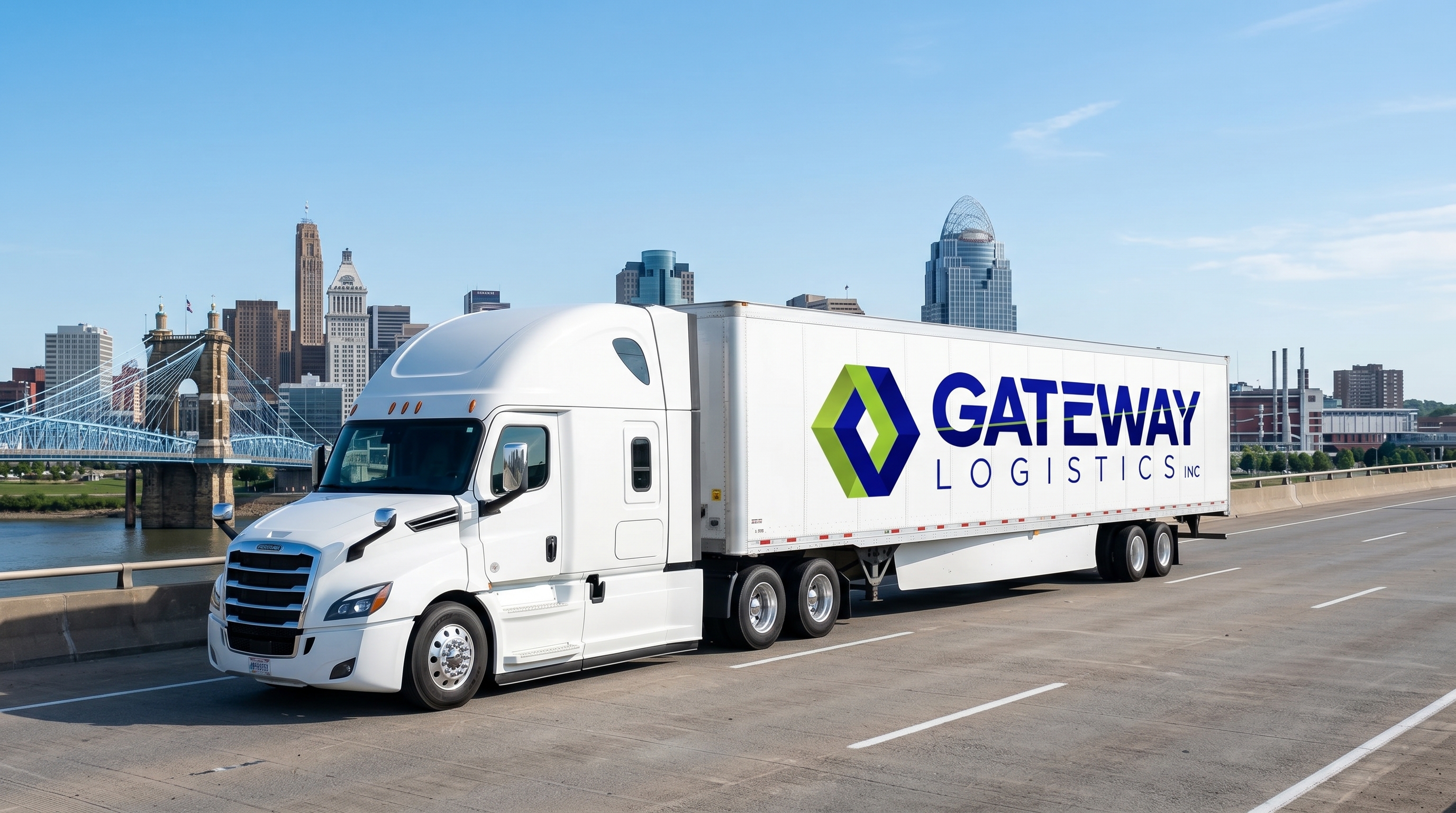
This transactional approach works best when you need speed and pricing power on specific lanes. Companies shipping irregular volumes or testing new markets often prefer brokers because they can tap into competitive rates without long-term commitments. Adam Smith, who manages sales operations in Cincinnati, sees this pattern frequently. Manufacturers need flexible capacity during seasonal peaks.
The broker model shines when you want someone else handling carrier vetting, route optimization, and rate negotiation for individual shipments while you focus on your core business.
How 3PLs Transform Your Entire Supply Chain Operation
When you partner with a third-party logistics provider, you're not just hiring a shipping company. You're gaining access to an integrated network that handles warehousing, inventory management, order fulfillment, and transportation under a single contract. This approach eliminates the complexity of managing multiple vendors across your supply chain.
Unlike freight brokers who focus on individual shipments, 3PLs own the physical infrastructure that powers your operations. They maintain warehouses, operate truck fleets, employ teams dedicated to your account. This asset ownership gives them end-to-end control over your logistics processes.
Consider a typical order fulfillment scenario. Your 3PL receives inventory at their warehouse facility, tracks stock levels in real time, picks and packs orders as they arrive, coordinates delivery through their transportation network. Adam Smith, who manages accounts in the Cincinnati market, often sees businesses surprised by this level of integration. They expect basic shipping services but discover their 3PL can optimize their entire distribution strategy.
This service model works best when you need predictable, ongoing logistics support rather than occasional freight movement. If your business requires consistent warehousing, regular shipments, and strategic supply chain planning, a 3PL's integrated approach delivers value that individual service providers cannot match.
The Hybrid Reality: Why Many Companies Operate as Both
You'll discover that most logistics providers don't fit neatly into one category. The same company handling your Cincinnati shipments might operate as a freight broker for spot loads while maintaining 3PL contracts for long-term clients. This dual approach makes sense financially, but it complicates your selection process.
The distinction becomes critical when freight damage occurs or delivery schedules slip. Brokers typically transfer liability to the carrier they selected. 3PL providers often accept greater responsibility for outcomes since they're managing your broader supply chain relationship. Adam Smith, our sales manager serving Cincinnati businesses, sees this confusion regularly. Companies assume their provider offers complete logistics support but discover they're working with a transactional broker.
Strategic 3PL companies like Gateway deliberately combine both approaches. We use brokerage expertise to secure competitive rates while building the long-term partnerships that 3PL relationships require. This hybrid model works because we're transparent about which role we're playing on each shipment. You know whether we're finding you a carrier or managing your entire logistics operation.
The key is asking direct questions about liability, service scope, and relationship expectations before you commit.
Your Decision Framework: 3 Questions to Choose the Right Partner Today
Three questions will cut through the confusion and point you toward the right logistics partner for your Cincinnati business.
First, ask yourself whether you need one-off shipment solutions or integrated supply chain management. If you ship occasionally and just need someone to find a truck for your pallets, a freight broker handles that transaction perfectly. But if you're looking for someone to manage inventory levels, coordinate multiple shipments, optimize your entire distribution strategy, you need a 3PL's approach.
Second, determine whether your priority is transactional cost savings or a long-term strategic partnership. Freight brokers excel at finding the lowest rate for individual loads. They compete on price and speed. 3PLs focus on building relationships that reduce your total logistics costs over time through better planning, consolidated shipments, supply chain improvements.
Third, consider whether you require warehousing and inventory services beyond transportation. Brokers move freight. Period. 3PLs store it, track it, pick it, pack it, and ship it as part of a complete fulfillment operation.
Stop making logistics decisions based on fear of spending money and start making them based on what your business actually needs. Once you've answered these three questions, you'll have clarity on whether you need a broker, a 3PL, or a hybrid partner. If you want to talk through these questions for your specific operation, reach out to Gateway at (513) 206-9922 or send us a message through our website.